This is a three-sided pewter lotus flower mould #209. It is finely detailed inside and makes a charming addition to culinary collectibles. It can shape clay or cast plaster, but may contain lead, so it’s not safe for food. Still, it’s a lovely historic piece for display. The E & Co which stands for Eppelsheimer & Company was active in New York City around the turn of the Century
Ice cream moulding began in France with Cadot around 1832, became popular in the U.S. in the 1870s, and in 1897 Alfred Cralle received a U.S. patent for an ice cream mould. The variety of moulds reflects the era and popular foods of the time.
Dimensions: 4” w including hinge x 2.5” high
Ref. Br 2193
Antique Shop | Blog | Contact | Home
This is a three-sided pewter lotus flower mould #209. It is finely detailed inside and makes a charming addition to culinary collectibles. It can shape clay or cast plaster, but may contain lead, so it’s not safe for food. Still, it’s a lovely historic piece for display. The E & Co which stands for Eppelsheimer & Company was active in New York City around the turn of the Century
Ice cream moulding began in France with Cadot around 1832, became popular in the U.S. in the 1870s, and in 1897 Alfred Cralle received a U.S. patent for an ice cream mould. The variety of moulds reflects the era and popular foods of the time.
Dimensions: 4” w including hinge x 2.5” high
Ref. Br 2193
Antique Shop | Blog | Contact | Home

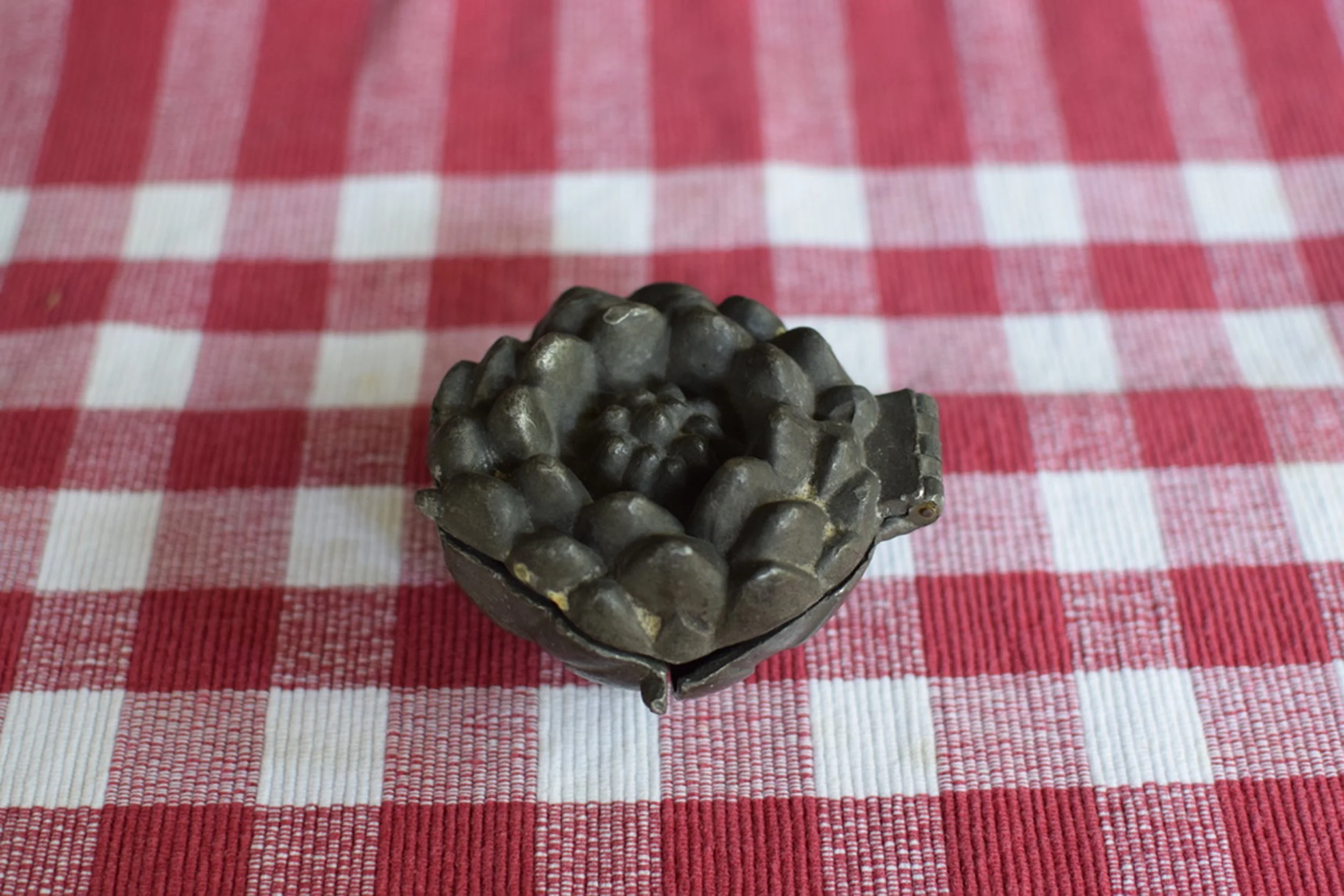 Image 1 of 7
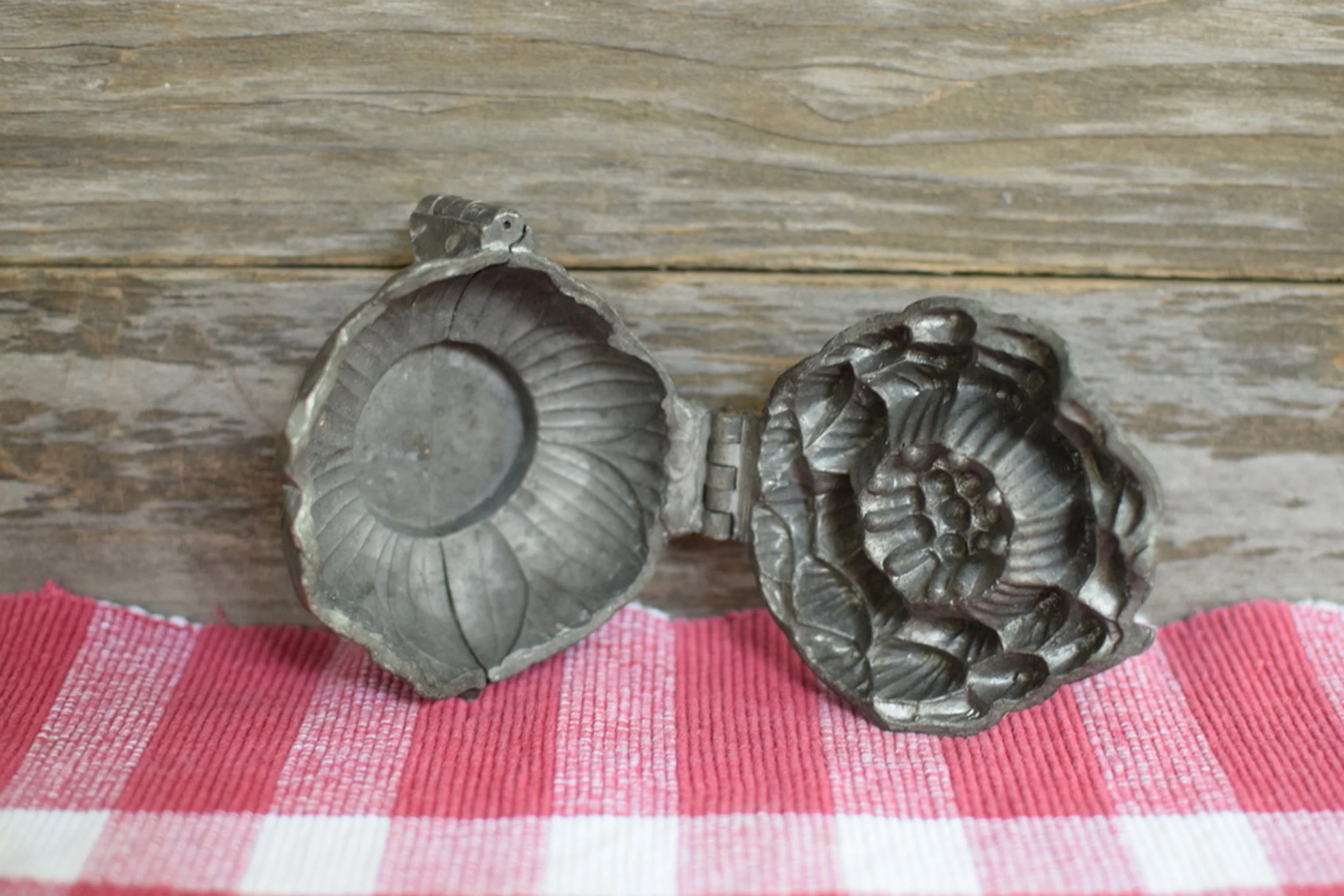 Image 2 of 7
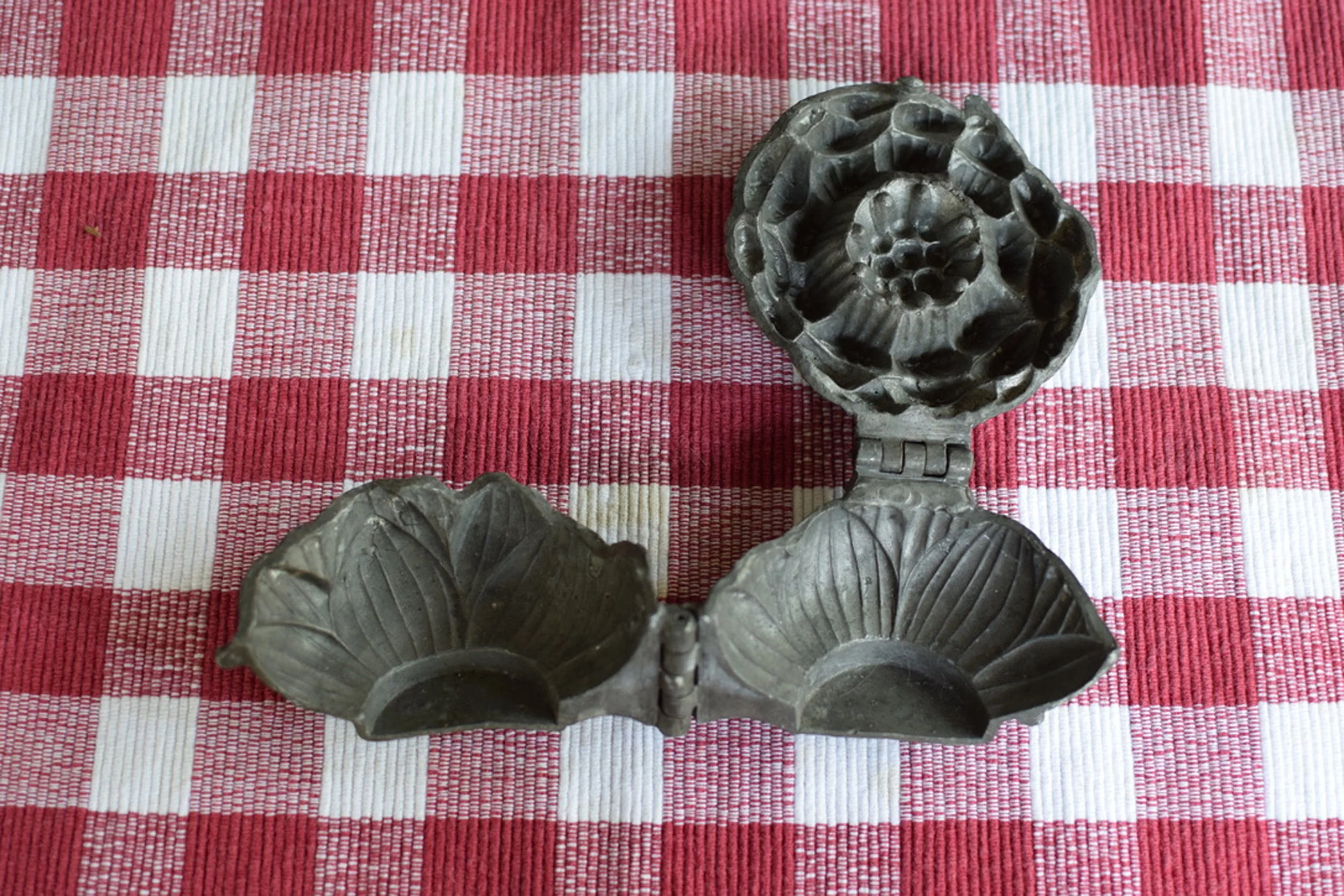 Image 3 of 7
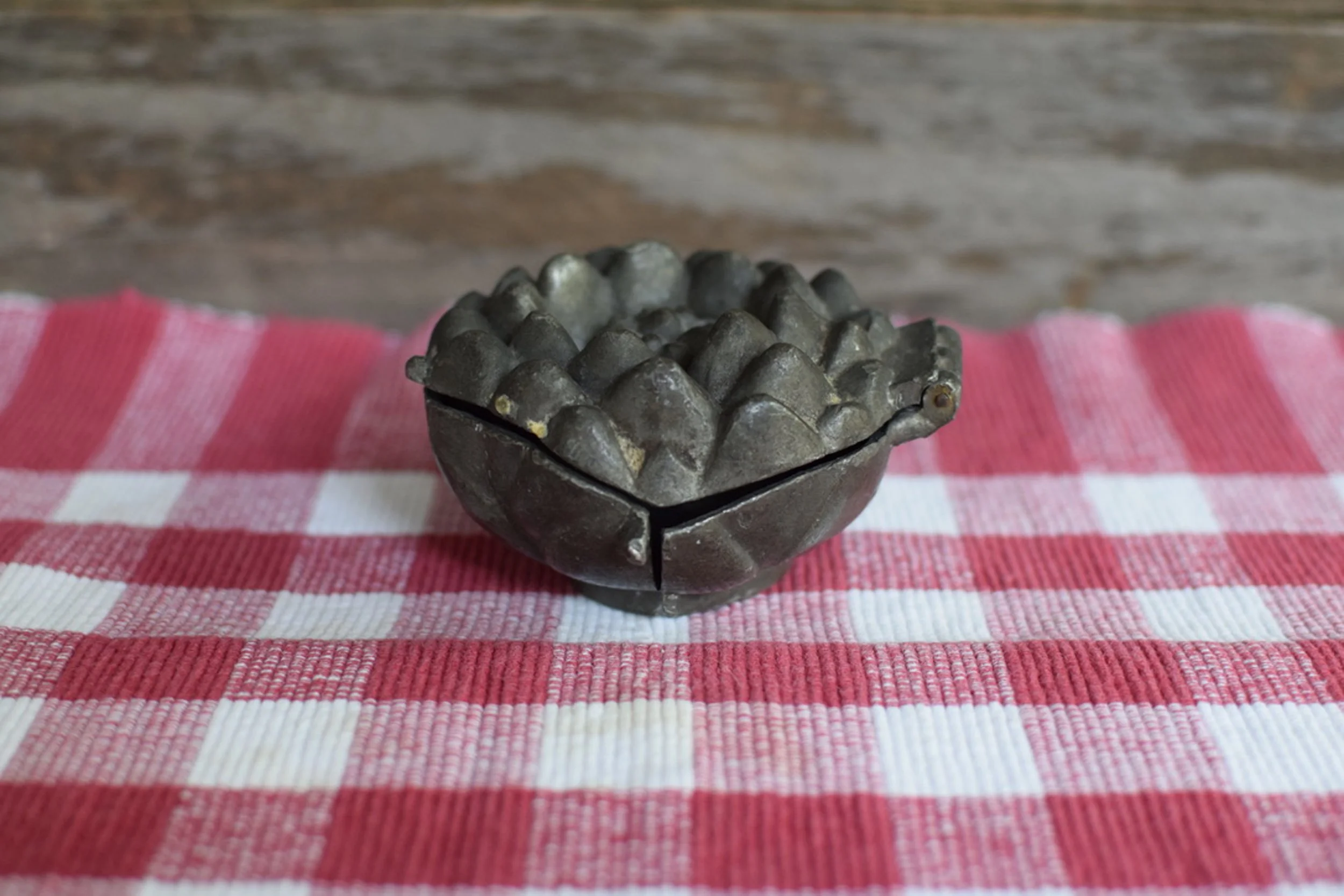 Image 4 of 7
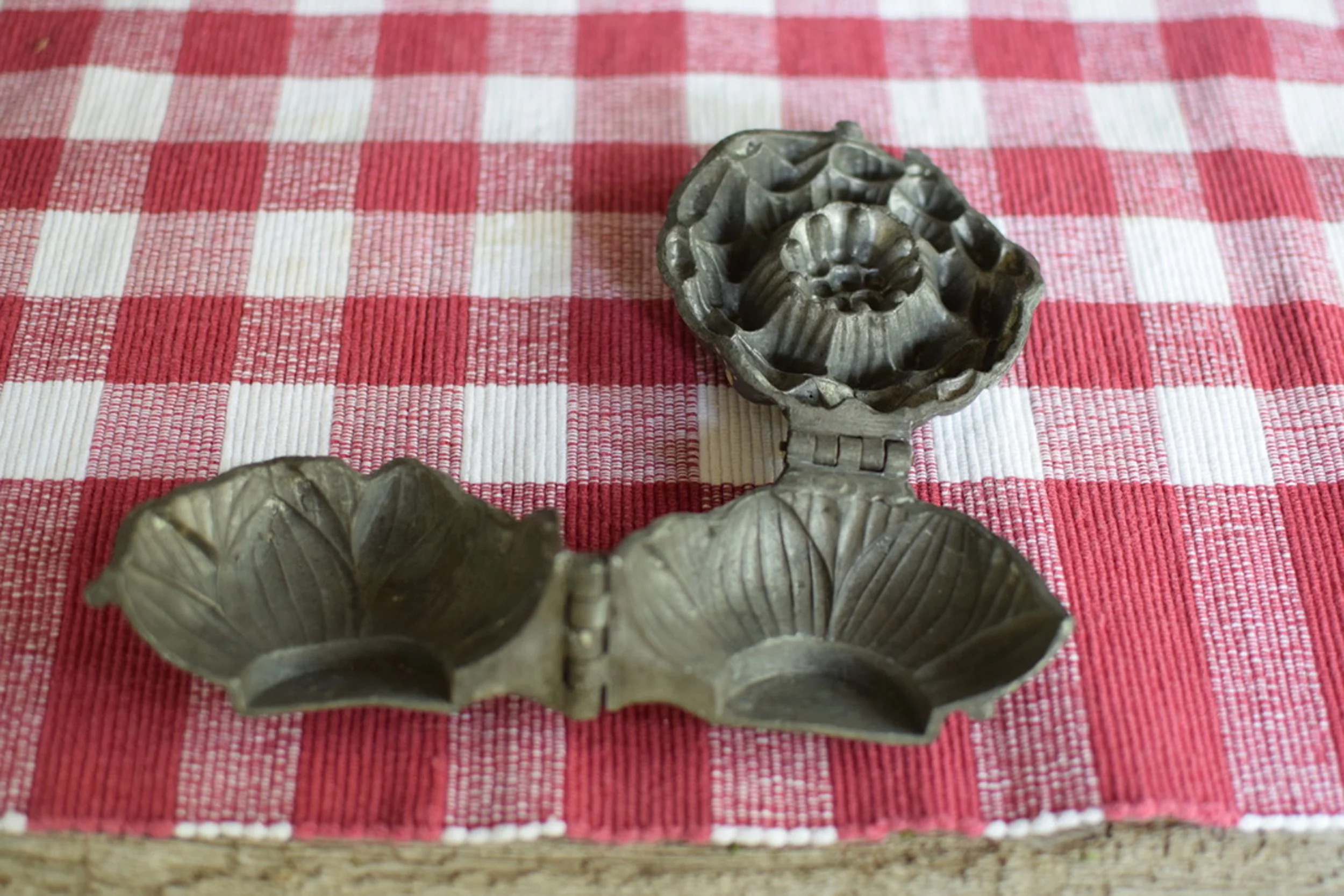 Image 5 of 7
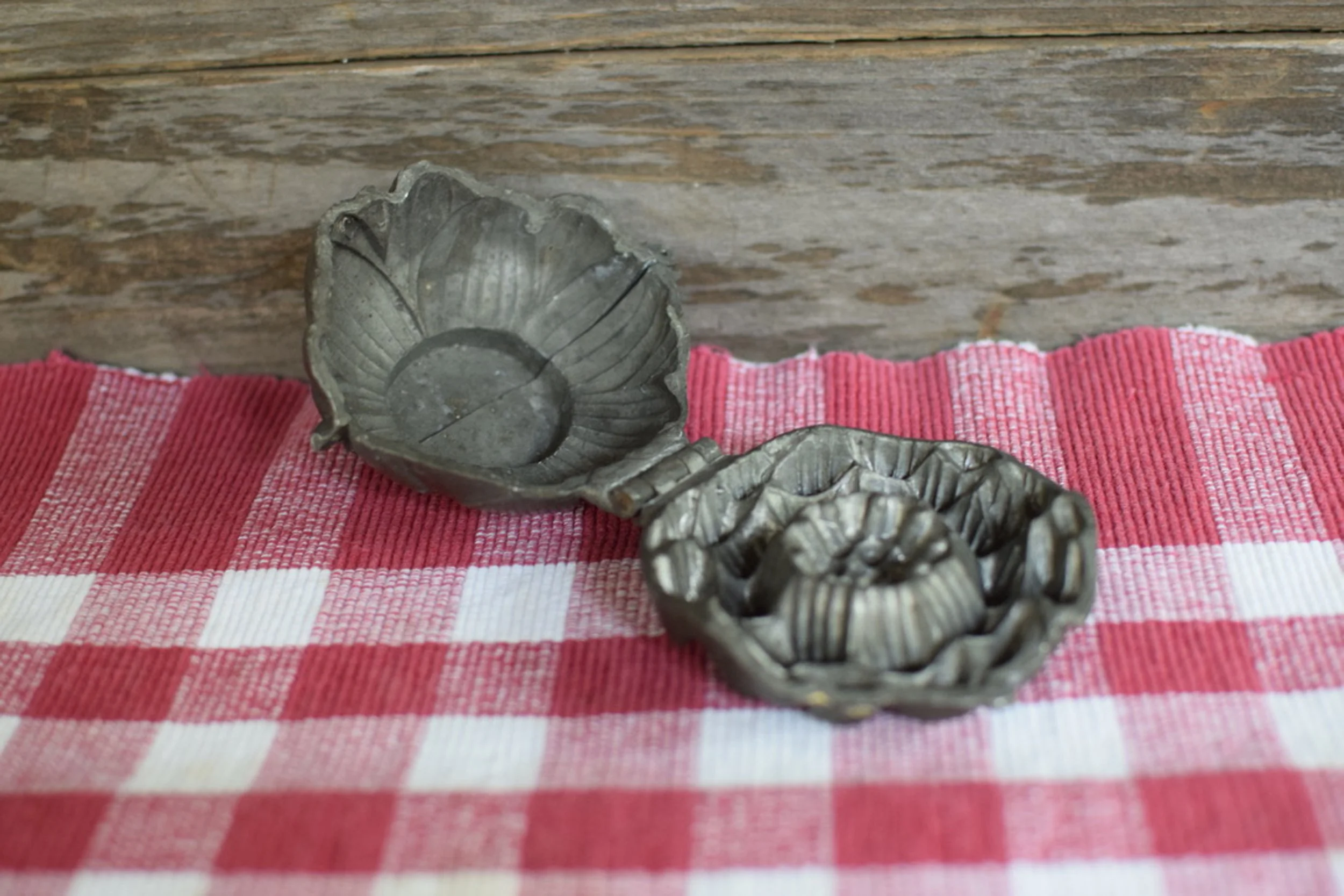 Image 6 of 7
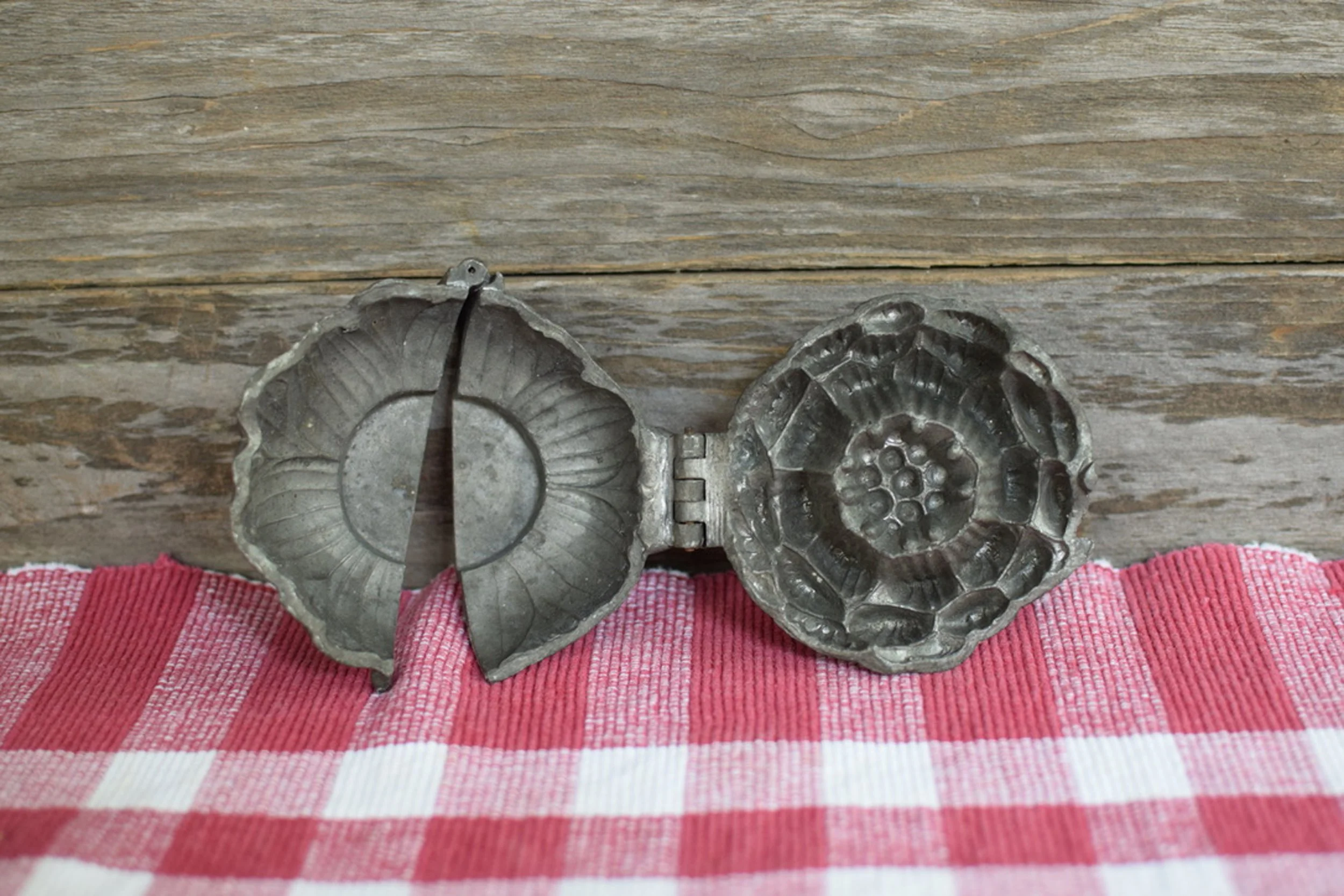 Image 7 of 7