
Bavent Faience Animals
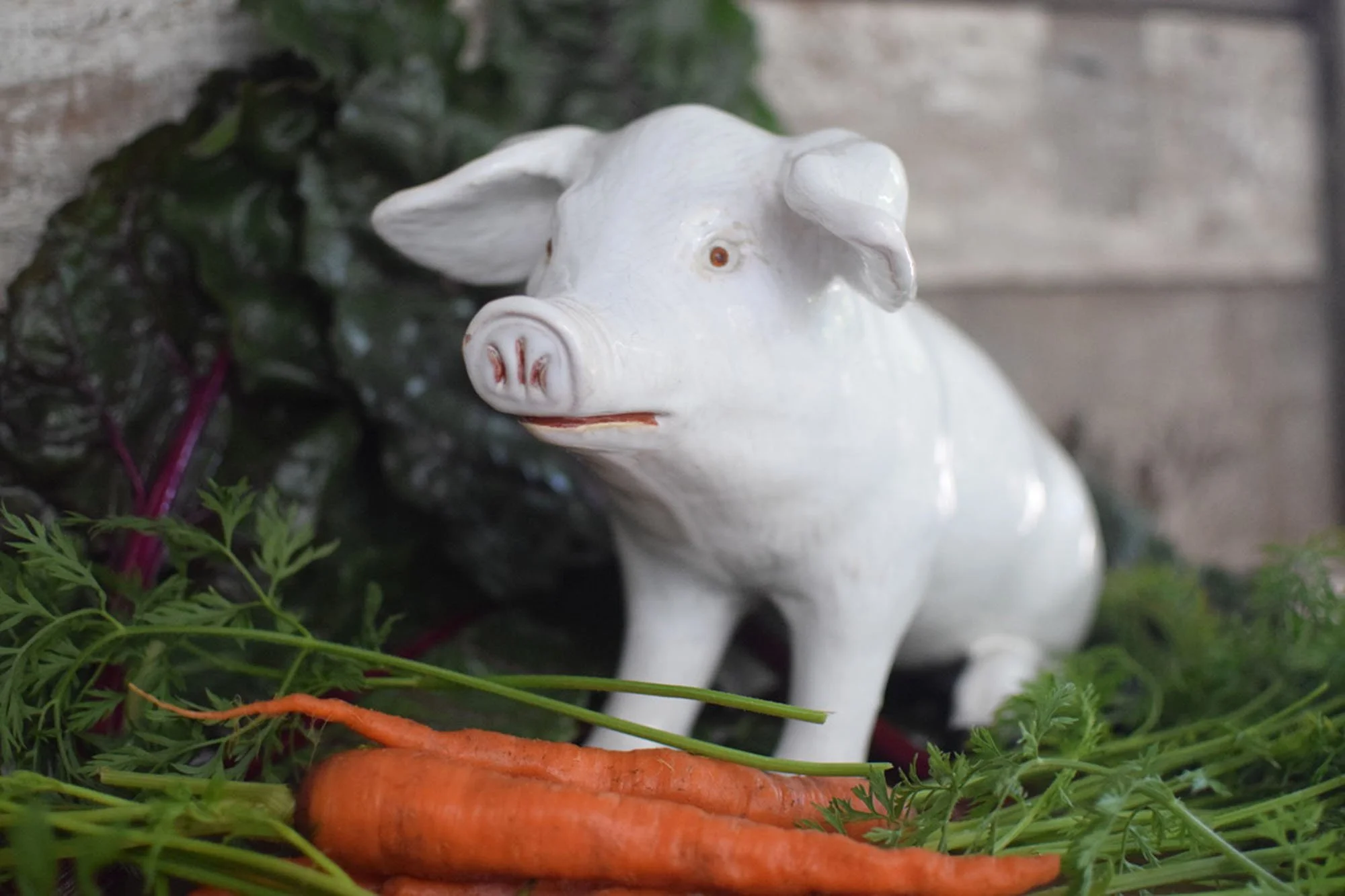
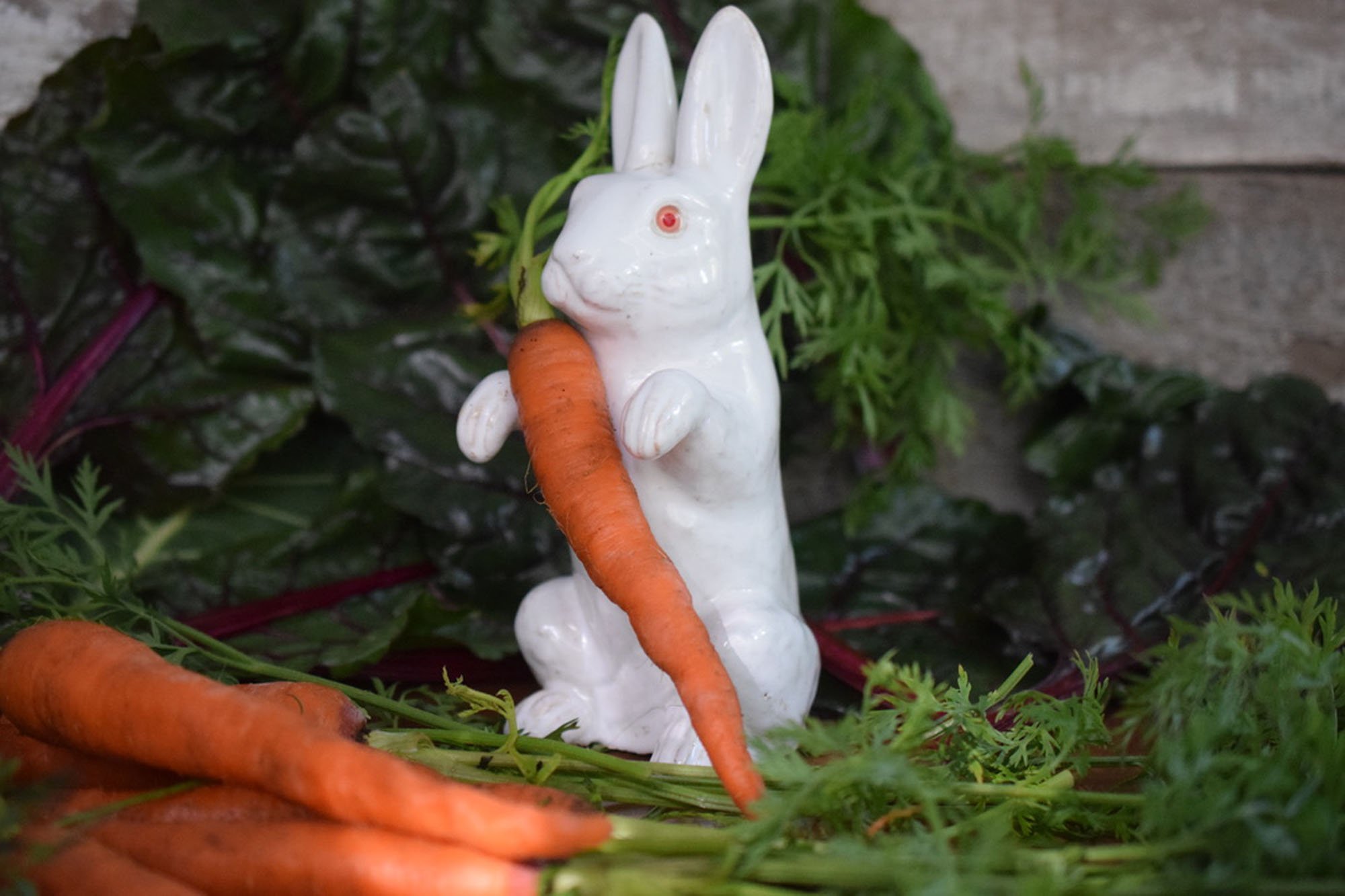
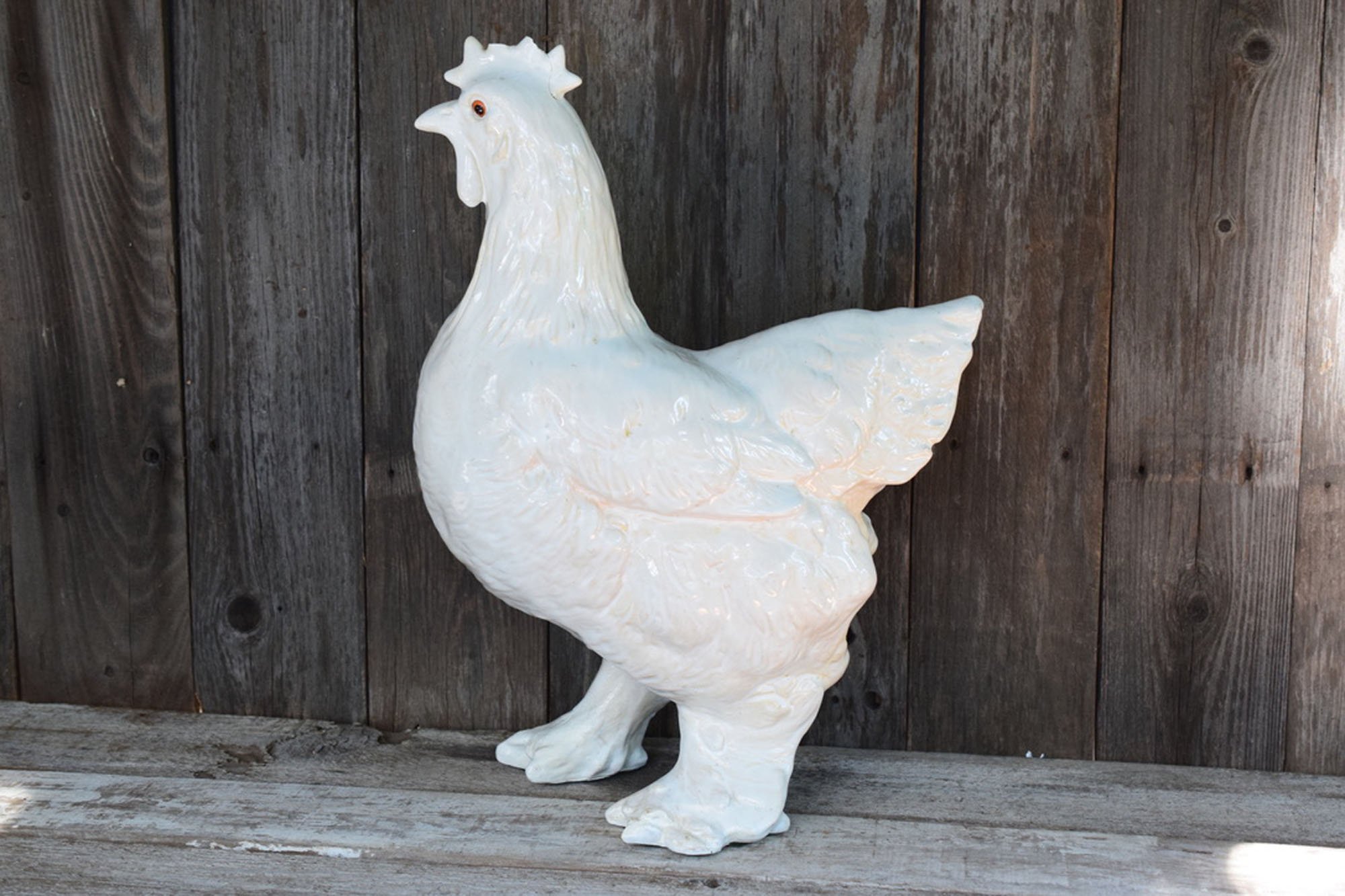
It wasn’t hard for me to fall in love with the Bavent French faience animals; they have a certain quirky charm that just speaks to you. When you look at one of these glazed terracotta creatures—maybe a sweet little bunny ( my favorite ) or a proud goose—you can feel the history of the Poterie du Mesnil de Bavent in Normandy shining through. Right now we have a lovely menagerie in the shop of these highly sought-after collector's items, a few of which are pictured below. These aren't just decorative pieces that add character to both interior and exterior spaces.; they are rustic slices of French country life, often finished in that classic faience glaze. I especially adore the ones that still have those wonderfully lifelike glass eyes. They bring such a cozy, vintage, and truly unique character to any corner of a home, and collecting them feels like gathering a little family of delightful, storied treasures.
I hope you will take a moment to view the video of the Bavent workshop where charming and distinctive pieces of glazed terracotta pottery, primarily known for their whimsical and rustic representation of domestic and farm animals are created. The Poterie du Mesnil de Bavent workshop was established in 1842, these sculptures—such as cats, dogs, rabbits, chickens, pigs and geese—are characterized by their traditional faience (tin-glazed earthenware) finish, often in milky white or vibrant colors. Initially, many of these figures, especially the cats , were created to be mounted on roof tiles or finials as decorative architectural elements, sometimes intended to deter vermin, giving them an enduring connection to French folk art and country style.

These charming antique ducks represent a fine example of early 20th-century French faience craftsmanship from the Bavent region. Created around the 1910s, the pair showcases the traditional tin-glazed pottery technique characteristic of Bavent faience. The tin glaze offers a luminous, opaque white background that beautifully highlights the details of the ducks plumage.
Each piece captures the elegance and rustic charm often found in provincial French ceramics of the period. The ducks are modeled with attention to anatomical accuracy and subtle shading, lending them a lifelike quality. Their serene poses and vivid coloration would have made them popular decorative objects in French country homes.
These faience ducks not only reflect the artistry and cultural heritage of Bavent pottery but also stand as collectible antiques prized for their historical and aesthetic value. In excellent condition considering their age, this pair would make a distinctive addition to any collection of French antiques or decorative ceramics.
Measurements:
The standing duck 20” high by 20” Long (Ref 9)
The eating duck 18” long by 10” high (Ref 10)